Multi-Vehicle Accidents at Tampa Intersections: How Liability Is Shared
If you’ve ever navigated Tampa’s busiest intersections (such as Dale Mabry Highway & Kennedy Boulevard or Bruce B. Downs Boulevard & Fletcher Avenue) you know how quickly a chain-reaction crash can unfold. A single lapse in attention can involve multiple vehicles in seconds, leaving drivers and passengers with injuries and a lot of unanswered questions about who’s responsible.
That question of liability is rarely simple. Unlike a two-car collision, multi-vehicle accidents can spread fault across several parties in ways that aren’t immediately obvious, and Florida’s comparative negligence rule adds further complexity.
So,how is liability shared after a multi-car crash in Tampa? Keep reading to find out.
Who May Be Liable After a Multi-Vehicle Intersection Crash?
More than one driver may share liability after a multi-vehicle crash at a Tampa intersection. Florida law allows fault to be divided among responsible parties. A driver may be liable for running a red light, failing to yield, or making an unsafe turn.
A driver may also share fault for following too closely or changing lanes without checking traffic. These actions can turn one impact into several connected collisions. Each driver’s actions must be reviewed separately.
In some cases, a rideshare driver, delivery company, commercial driver, or vehicle owner may also be involved. Florida follows a modified comparative fault rule. This means each party may be assigned a percentage of fault based on their actions before the crash.
How Do Multi-Vehicle Crashes Happen at Tampa Intersections?
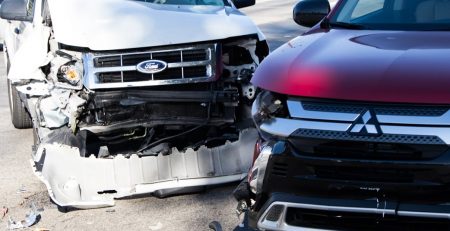
Multi-vehicle intersection crashes can happen when one mistake creates a chain reaction. A driver may enter late, brake suddenly, or turn across traffic. One vehicle may strike another, pushing it into nearby cars.
In Tampa, roads near downtown, Westshore, Ybor City, and Carrollwood can carry heavy traffic. Interstate 275 and Interstate 4 can also increase congestion near major intersections. Tourism, cruise departures, rain, and unfamiliar drivers can make traffic harder to manage.
Poor visibility, sudden stops, and turning traffic can make safe reactions harder. When several vehicles enter one intersection, one unsafe move can affect everyone nearby.
How Do Insurance Companies Evaluate Shared Fault?
Insurance companies review the facts and assign fault through their own investigation. They may review police reports, photos, dashcam footage, statements, and vehicle damage. After a multi-car crash, each insurer may try to limit its driver’s responsibility.
One insurer may blame the driver who first entered the intersection. Another may argue that the following driver had enough time to stop. This can make claims harder when several adjusters contact the injured person.
Insurance companies may also compare statements from every driver involved. If those statements conflict, adjusters may use photos, reports, and impact points. They may also delay payment while they review more records.
It is usually better to keep statements brief after a crash. Avoid guessing about speed, timing, or fault while the investigation continues.
How Does Florida No-Fault Insurance Apply?
Florida’s no-fault system requires injured drivers to first use Personal Injury Protection coverage after a crash. PIP may cover certain medical costs and lost income, regardless of who caused the collision.
PIP does not decide who caused the crash. It can apply even when another driver appears responsible. Serious injuries may allow a claim against the at-fault driver or drivers.
This can matter when several drivers and insurance companies are involved. Even if PIP applies first, an injured person may still need to identify who caused the crash. That step can affect any claim for losses beyond PIP coverage.
In a multi-vehicle intersection crash, PIP may only cover part of the losses. When injuries are serious, fault evidence becomes more important.
What Evidence Helps Show Who Caused the Crash?
Strong evidence can show how the vehicles moved before and during the crash. Helpful proof may include traffic camera footage, dashcam video, photos, vehicle damage, and witness names. Nearby business surveillance may also help show the sequence of impact.
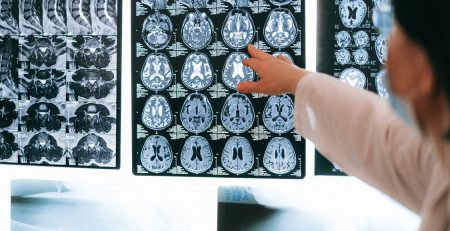
Medical records can connect injuries to the crash and show the treatment needed. A doctor’s notes can explain pain, mobility limits, head injuries, or back injuries. These records may also show how the crash affected daily life.
Witness statements can also help explain what happened before the first impact. A witness may remember signal changes, vehicle positions, or sudden stops. These details can support or challenge a driver’s version of events.
Since key evidence can disappear quickly, early action can make your claim stronger. Businesses may delete video, vehicles may get repaired, and road debris may be cleared, so photos of signals, road markings, and weather conditions can help preserve important details.
What Compensation May Be Available After an Intersection Crash?
Compensation depends on injuries, insurance coverage, treatment, lost income, and each party’s fault share. In Florida, injured people may seek payment for medical bills and future care. They may also seek lost wages, reduced earning ability, pain, and other crash-related losses.
Insurance companies often question whether the treatment was reasonable and connected to the crash. They may also argue that prior medical issues caused some symptoms. In multi-vehicle claims, they may blame another driver for most of the harm.
When several drivers share fault, more than one insurance policy may apply. That can help some claims, but it can also slow the process. Each insurer may dispute responsibility before agreeing to pay.
FAQ About Multi-Vehicle Intersection Liability in Florida
Can more than one driver be at fault in Florida?
Yes. Florida law allows fault to be shared among multiple parties. Each person’s fault percentage can affect compensation.
What if I was partly at fault for the crash?
You may still have options if you were 50 percent or less at fault. Your recovery may be reduced by your fault percentage. If you were more than 50 percent at fault, recovery may be limited.
Should I speak with every insurance company that calls?
Be careful when speaking with insurance adjusters after a multi-vehicle crash. You can provide basic information without guessing about fault or injuries. A recorded statement can affect how an insurer evaluates your claim.
Why do intersection crashes take longer to resolve?
These crashes often involve several drivers, insurers, and versions of events. Claims may take longer when insurers disagree about the first impact. The process may also require video, witness statements, or crash reconstruction.
Contact Fulgencio Law After a Multi-Vehicle Accident in Tampa
Were you injured in a multi-vehicle crash in Tampa? At Fulgencio Law, we handle complex crashes involving multiple drivers, insurance companies, and disputed liability claims. We can also review crash reports, medical records, witness statements, and other evidence to help you understand your claim.
If you were hurt in a multi-vehicle intersection crash, call Fulgencio Law at (813) 463-0123. A conversation with our Tampa car accident lawyers can help you understand your options and possible next steps.