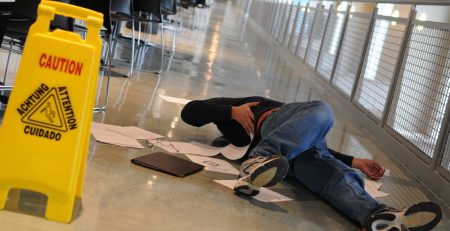
Injuries Caused by Poor Lighting in Parking Lots and Apartment Complexes
Poor lighting is one of the most overlooked hazards in everyday spaces. Parking lots and apartment complexes with poor lighting can make falls, assaults, and vehicle crashes more likely. In Florida, property owners must keep their premises reasonably safe for people who use them.
Broken lights, dark walkways, and poorly maintained common areas can create dangerous conditions for residents and visitors. Here, we explain how poor lighting may contribute to your injuries and how Florida premises liability law may apply.
How Does Poor Lighting Lead to Injuries?
Poor lighting can make ordinary hazards harder to see. In a dark parking lot or walkway, pedestrians may miss uneven pavement, curbs, potholes, loose debris, or wet surfaces. Any of these conditions can cause a serious fall.
In apartment complexes, poor lighting can create risks in stairwells, parking decks, hallways, laundry areas, and entryways. Dark common areas may make it harder for residents and visitors to see hazards or move safely. Poor visibility may also increase security risks.
Who May Be Liable for a Poorly Lit Parking Lot Injury in Florida?
Liability usually depends on who controlled and maintained the property. Responsible parties may include landlords, apartment owners, property managers, businesses, homeowners’ associations, or other parties with control over the area. These parties may have a duty to inspect, repair hazards, and keep common areas reasonably safe.
A property owner may be liable if they knew or should have known about a lighting problem and failed to fix it. Prior tenant complaints, maintenance records, emails, work orders, and repair logs can help show notice.
How Does Florida Law Evaluate These Claims?
Florida law looks at whether the property owner acted reasonably. In a poor lighting case, that may include how long the problem existed, whether anyone reported it, and whether the owner inspected the area. These facts help show whether the owner failed to meet their duty of care.
Florida follows a modified comparative negligence rule. An injured person may recover compensation only if they are 50 percent or less at fault. If they are found more than 50 percent responsible, they cannot recover damages.
What Evidence Matters in a Parking Lot Lighting Injury Case?
Evidence plays a major role in poor lighting injury claims. Photos and videos can show how dark the area was and whether lights were broken, blocked, or missing. Images taken at the same time of night can help show actual visibility.
Security camera footage may also help show how long the lighting problem existed or how the accident happened. Inspection reports, repair invoices, and maintenance schedules can sometimes reveal whether the property owner delayed repairs or ignored complaints.
Maintenance records, prior complaints, witness statements, and medical records can also support the claim. These records may show whether the owner knew about the lighting problem and how the injury occurred.
How Do Insurance Companies Handle These Claims?
Property owners often carry liability insurance for premises-related injuries. Once a claim is filed, an adjuster may review incident reports, maintenance records, medical documents, photos, witness statements, and property conditions.
Insurance companies may challenge both liability and damages. They may argue that the lighting was adequate, that the injured person should have seen the hazard, or that another condition caused the accident. Early settlement offers may not reflect the full value of the claim.
Can Poor Lighting Increase the Risk of Assaults?
Poor lighting can increase safety risks in apartment complexes, parking lots, garages, and walkways. Dark areas reduce visibility for residents, visitors, and security personnel. In some negligent security cases, poor lighting may become part of the evidence.
Poor visibility may also make it harder for residents or visitors to identify suspicious activity before an incident occurs. In some cases, investigators may review whether lighting problems existed for weeks or months before the assault happened.
Property owners may need to take reasonable steps when they know about safety risks. This may include repairing broken lights, improving visibility, or responding to prior complaints. Crime history, tenant reports, and maintenance records may help show notice.
What Should You Do After an Injury in a Poorly Lit Area?
If you are hurt in a poorly lit parking lot or apartment complex, seek medical attention as soon as possible. Report the incident to the property owner, manager, or security office. Ask for a copy of any incident report.
If you can do so safely, take photos or videos of the lighting, hazard, and surrounding area. Witness names, prior complaints, and security footage may also help support your claim. Acting quickly matters because lighting may be repaired and footage may be erased.
Frequently Asked Questions: Injuries Caused by Poor Lighting in Parking Lots and Apartment Complexes
Can I file a claim if I was injured in my apartment complex’s parking lot?
Yes. Apartment landlords and property managers in Florida must keep common areas reasonably safe. If poor lighting contributed to your injury and management knew or should have known about the problem, you may have grounds for a premises liability claim.
What if I was partly at fault for the accident?
Florida law may still allow you to recover compensation if you were 50 percent or less at fault. Your compensation would be reduced by your percentage of fault. If you are found more than 50 percent responsible, you cannot recover damages.
How long do I have to file a claim in Florida?
For most Florida personal injury claims, you generally have two years from the date of injury to file a lawsuit. Missing this deadline can prevent you from pursuing compensation through the court system.
What should I do immediately after a parking lot injury?
You should seek medical attention, report the incident, and document the scene with photos or videos. You should also ask for a copy of any incident report and keep records of your medical treatment.
Call Fulgencio Law Today
If you were hurt in a poorly lit parking lot or apartment complex in Florida, you may be eligible to pursue compensation for your losses. At Fulgencio Law, we help injured people review premises liability claims involving unsafe property conditions across Florida.
Our Tampa premises liability lawyers can review maintenance records, incident reports, witness statements, and other evidence connected to the accident. Contact Fulgencio Law at (813) 463-0123 to learn more about your legal options after a serious injury in Florida.